by Moises Capetillo
“You who destroy the temple and build it in three days, save Yourself! If You are the Son of God, come down from the cross” (Matthew 27:40).
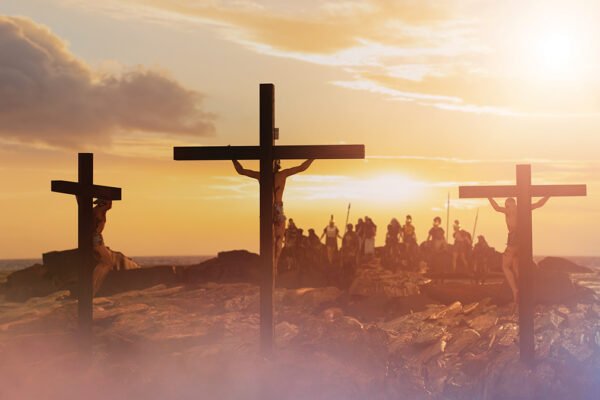
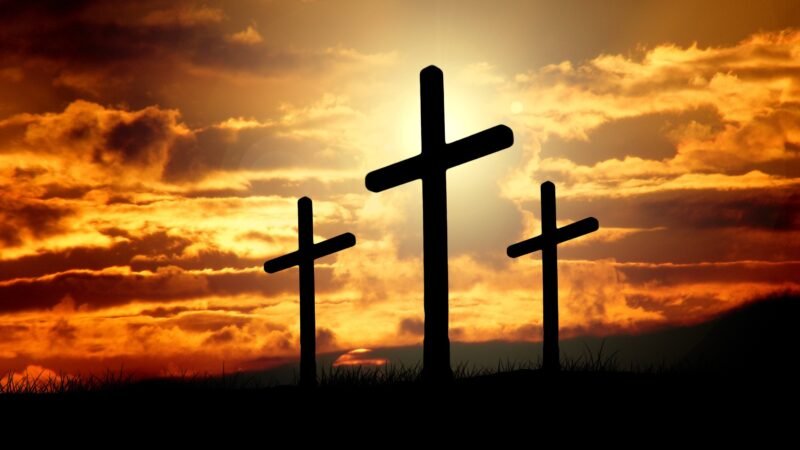
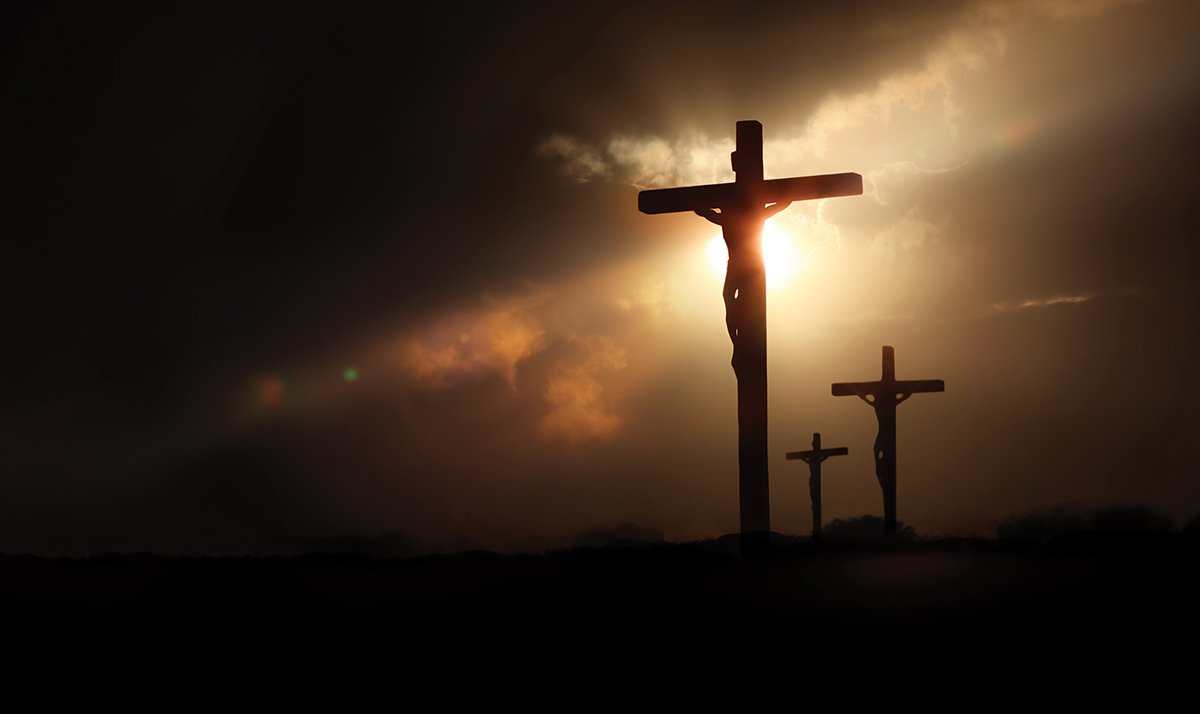
The people yelled and mocked our Savior. Their words were meant to cut. They came from people passing by Calvary, shaking their heads and taunting the suffering Savior. The chief priests, scribes, and elders joined in: “He saved others; Himself He cannot save” (v. 42).
To them, the proof of Jesus’ identity would have been escape. If He really was the Son of God, He could come down. He could silence His enemies. He could turn shame into glory in a moment. He could save Himself.
But they did not understand the cross.
Jesus did not stay on the cross because He was powerless. He stayed because He was obedient. He stayed because He loved us. He stayed because the salvation of the world did not require a Savior who would come down but a Savior who would endure until the work was finished. Furthermore, He stayed on the cross because love is the strongest demonstration of power.
The great wonder of Calvary is not that Jesus could have come down from the cross. The wonder is that He did not.
Throughout His ministry, Jesus made it clear that His death would not be an accident or a defeat. It would not be the tragic ending of a good teacher’s life. He said, “I lay down My life that I may take it again. No one takes it from Me, but I lay it down of Myself” (John 10:17, 18).
This means the cross was not the place where Jesus lost control. It was the place where His obedience was fully revealed. The cross was where Jesus became the obedient Son, obeying the Father above all others.
Before the nails pierced His hands, Jesus had already surrendered His will. In Gethsemane He prayed, “O My Father, if it is possible, let this cup pass from Me; nevertheless, not as I will, but as You will” (Matthew 26:39). The agony was real. The sorrow was deep. The cup was bitter. Still, the Son gave Himself completely to the will of the Father.
By the time Jesus stood before His accusers, the decision had already been made. He would not defend Himself to avoid the cross. He would not call legions of angels to rescue Him. He would not answer hatred with hatred. He would obey.
That is why the mockery at the cross is so painful and so revealing: “He saved others; Himself He cannot save.” The people meant it as an insult. But without knowing it, they were speaking a deep truth. If Jesus had saved Himself, He could not have saved us.
He could have come down. But love held Him there.
The nails were real. The pain was real. The cruelty was real. But nails alone did not keep the Son of God on the cross. Love did. Obedience did. Mercy did. The joy set before Him did. Hebrews 12:2 says that Jesus, “for the joy that was set before Him endured the cross, despising the shame.”
What joy could be found in such suffering? The joy that Jesus saw beyond the cross. He saw sinners reconciled to God. He saw enemies made into friends. He saw death defeated. He saw the coming resurrection. He saw the redeemed gathered into the kingdom of God. He saw a church full of imperfect people united in worship and unending gratitude because of the sacrifice on that cross.
This is what Calvary means for the world: God has made a way for sinners to be reconciled to Himself through Jesus Christ. The cross is not just an example of courage, though it is courageous; it is not just a picture of injustice, though it exposes injustice; it is not just the death of an innocent man, though Jesus was innocent. The cross is the atoning sacrifice of the Son of God.
At the cross, guilt meets grace. Judgment meets mercy. The holiness of God and the love of God are seen together in the crucified Christ.
Then came the cry: “It is finished!” (John 19:30).
Not “I am finished,” as though death had defeated Him. Not “I tried,” as though redemption had failed. But “It is finished!” The sacrifice was complete. The debt had been paid. The work the Father gave Jesus to do had been accomplished.
The crowd yelled, “Come down!” but Jesus stayed. He stayed until sin was answered and mercy was opened. He stayed until the veil was torn and the price was paid. He stayed until He could say, “It is finished!”
That is why we do not rush past the cross. Before we celebrate the empty tomb, we stop to appreciate Calvary. We remember the Lamb who was slain. We remember the Savior who stayed. We remember that our hope was not purchased with silver or gold but with the precious blood of Christ. The world told Him, “Save Yourself.” But Jesus chose to save us.