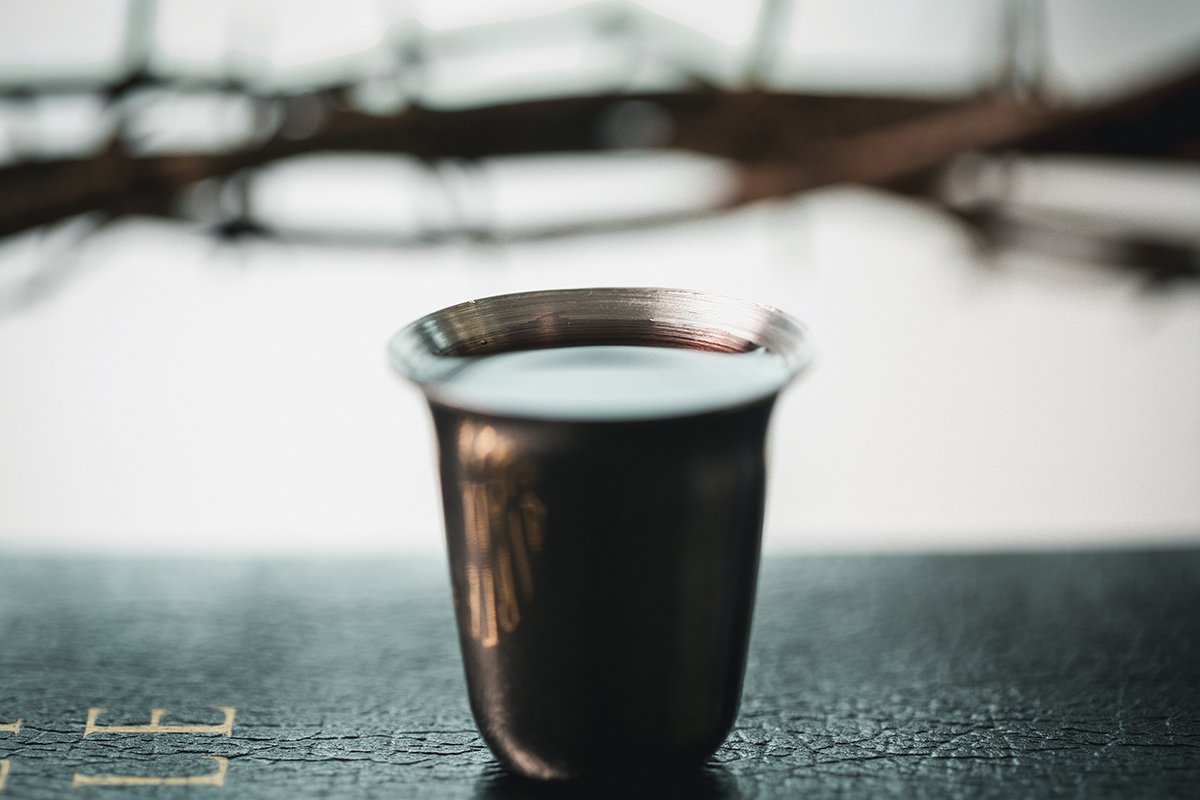
The drink and the taste that stay.
by Ruhama Tewodros Assefa
Some tastes stay with a person long after they are swallowed.
I was the kind of daughter who always refused to drink homemade remedies. In our country, before running to the pharmacy, parents — and especially grandmothers — often prepare remedies for stomachaches, common colds, headaches, and many other illnesses. But for me, even the smell of homemade remedies was enough to make me irritated. I refused to drink them whenever I could.
Bitter remedies have long been part of traditional healing in many homes across Ethiopia and other parts of Africa. Most children resist them as I did. Faces tighten after the first swallow; the body naturally rejects bitterness. Yet as we grow older, many of us learn to drink them with the hope of being healed.
Sometimes my grandmother would stand patiently beside me until I finally gave in. She knew the bitterness would last only a moment, but the healing would remain much longer. If someone had asked little Ruhama whether she wanted her grandmother to drink the bitter medicine instead so she could still be healed, there would have been no happier child than I. No bitter taste. No suffering. Just healing.
Those moments with my grandmother always make me think about how bitter the cup must have been that Jesus had to drink for my healing. He endured the unimaginable bitterness, while the healing was handed freely to me.
And perhaps that is what moves me so deeply about the cross. Before the cross stood on Golgotha, before nails pierced flesh and crowds shouted in mockery, there was a garden and there was a cup.
Jesus called it “this cup.”
“O My Father, if it is possible, let this cup pass from Me; nevertheless, not as I will, but as You will” (Matthew 26:39).
He did not walk toward suffering carelessly; He felt the weight of what was coming. Yet He still chose obedience out of love.
The cup passed
The night began quietly around a table. Bread was broken. Wine was shared. Jesus lifted the cup and spoke of a covenant in His blood, though His blood had not yet fallen to the ground.
Then He took the cup, and gave thanks, and gave it to them, saying, “Drink from it, all of you. For this is My blood of the new covenant, which is shed for many for the remission of sins” (vv. 27, 28).
The disciples drank the symbol. Christ would soon drink the reality.
Even at that sacred table, betrayal sat close enough to eat beside Him. “Even my own familiar friend in whom I trusted, who ate my bread, has lifted up his heel against me” (Psalm 41:9).
Judas received bread from the hands of Christ while already walking toward silver pieces and darkness. Some betrayals begin long before the kiss.
What amazes me most is that Jesus already knew everything that would happen. He knew Judas would betray Him. He knew Peter would deny Him. Yet He still washed their feet and loved them until the very end.
That kind of love is difficult for human hearts to understand.
The “yes” of love
Gethsemane may be one of the most painful places in Scripture because it reveals the full humanity of Christ. We often imagine Him moving toward the cross untouched by fear, but the garden tells another story. He was sorrowful. Troubled. Sweating beneath the crushing weight approaching Him.
“My soul is exceedingly sorrowful, even to death” (Matthew 26:38).
This was not weakness; this was love counting the cost: “Father, if it is Your will, take this cup away from Me” (Luke 22:42). The words are painfully human. Every instinct within the body pulls away from suffering. We resist bitterness naturally. The soul trembles before pain.
Yet in the silence of that garden, Jesus reached for the cup willingly. “Nevertheless not My will, but Yours, be done” (v. 42).
Before nails pierced His hands, surrender pierced His heart.
The cross did not begin at Golgotha. It began in Gethsemane, where love said yes before the soldiers ever arrived. Jesus would not only endure physical suffering but also carry the burden of sin, judgment, and separation.
And still He stayed; He did not run from us.
Drinking the whole cup
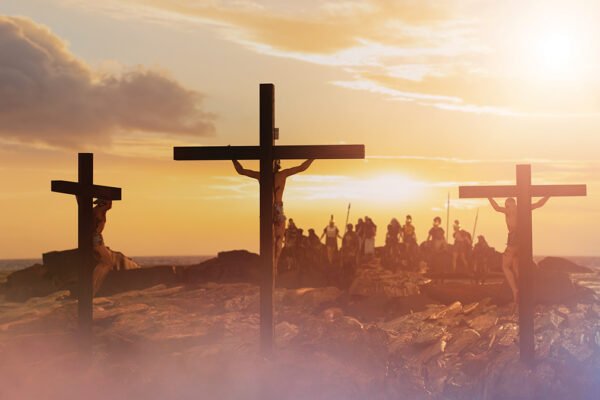
Then came the public suffering. The Son of God was mocked by people He himself had formed from dust. What hurts me most is knowing He suffered for the very ones who rejected Him and chose the cross for Him.
A crown of thorns pressed into His head while soldiers laughed at the idea of a suffering King.
But He was wounded for our transgressions, He was bruised for our iniquities; the chastisement for our peace was upon Him, and by His stripes we are healed (Isaiah 53:5).
Humanity watched salvation bleed but did not recognize Him. The crowds saw a criminal hanging between criminals. Heaven saw the Lamb of God carrying the sin of the world (John 1:29).
The suffering was physical, yes, but it was also deeper than human language can express: rejection, abandonment, the weight of sin, and the silence of heaven.
The bitter cup was not sipped partially; Christ drained it fully.
While reading about Jewish traditions, I came across the “Dayenu” song, which means “It would have been enough.” That phrase stayed with me because it echoed the depth of Christ’s suffering. Thinking about the bitter cup He carried, I found myself reflecting:
If betrayal had been the only wound, it would have been enough.
If the scourging had been the final pain, it would have been enough.
If the nails had been the last suffering, it would have been enough.
Yet He drank deeper still, to the point of feeling forsaken by His own Father (Matthew 27:46). The One who had always known perfect fellowship with the Father entered darkness for our sake.
Redemption unfolded
As the hours passed, Roman soldiers prepared to hasten death by breaking the legs of those hanging on crosses. But when they came to Jesus, they found that He had already died. Not one of His bones was broken (John 19:36).
This was not accidental. Long before Golgotha, it had been commanded that the Passover lamb remain unbroken (Exodus 12:46). Christ, our Passover Lamb, had been sacrificed (1 Corinthians 5:7).
Then a spear pierced His side, and another prophecy came alive before human eyes: “They shall look on Me whom they pierced” (Zechariah 12:10).
What looked like defeat was actually redemption unfolding exactly as God promised.
Silence
Then came the silence.
The body of Jesus was wrapped carefully and carried into the tomb. Stone sealed the entrance. The disciples sat, crushed beneath grief and confusion.
The bitter cup had been emptied. Or so it seemed.
There is something heavy about the burial story because it feels familiar to human sorrow. We know what it means to sit beside what appears lost. We know the silence that follows heartbreak.
Now in the place where He was crucified there was a garden, and in the garden a new tomb . . . (John 19:41).
The disciples did not yet know that resurrection was already moving quietly beneath the surface of despair. Sometimes healing begins in places that look like endings.
From cup to crown
The bitterness of the Passion was not meaningless pain. It became healing for the world.
Humanity could not drink the cup of judgment and survive. So Christ lifted it Himself. And from that bitter cup came forgiveness, reconciliation, and life. “For He made Him who knew no sin to be sin for us, that we might become the righteousness of God in Him” (2 Corinthians 5:21).
By His wounds we are healed.
Years later, the risen Christ spoke to the suffering church in Smyrna, a city whose name carried the idea of myrrh, a fragrance released when crushed: “Be faithful until death, and I will give you the crown of life” (Revelation 2:10).
The One who once accepted the bitter cup now offers a crown instead. The bitterness was never the end of the story. Neither was the tomb: “He is not here; for He is risen, as He said” (Matthew 28:6).
At the cross, suffering and love met together. Justice and mercy touched. The darkest hour of human history became the doorway of redemption.
And every time we remember the cross, we remember this truth: The bitter cup He drank became the life we now receive.