Jesus’ bodily resurrection is the absolute foundation of the Christian faith and an undeniable truth because of the available evidence. Paul declares that if Christ has not been raised, faith is useless, preaching is empty, believers are still in their sins, and the dead in Christ have perished (1 Corinthians 15:14-17). The apostle John saw, touched, and fellowshipped with the risen Lord (1 John 1:1-4). When a preacher had been allowed to deny the bodily resurrection to believers, the Beloved Disciple wrote his second letter to correct that teaching and warn against contributing to his work because it made them partakers “in his evil deeds” (2 John 1:1-13).
The Gospels state that Jesus literally rose from the grave after being dead three days and three nights. As a singular, miraculous, historic event, the Resurrection cannot be directly observed, measured, or tested by experiment. Still, like any other historic event, it can be tested against the evidence for its veracity.
Naysayers provide alternative theories, but those are flawed. Mass hallucination, theft of the body, or the “swoon” hypothesis fail to account for the combined data. Core minimal facts (the historic validation of the Crucifixion, empty tomb, disciples’ transformation after seeing the risen Christ, the apostolic record, etc.) are widely accepted by modern historians. All of them deny the claims of alternative theories.
Ultimately, believing in Jesus’ bodily resurrection as a fact of history is a matter of divine faith, bolstered by reliable evidence. But faith seeks understanding. The honest and accurate truth of the following evidence proves the bodily resurrection of Jesus Christ.
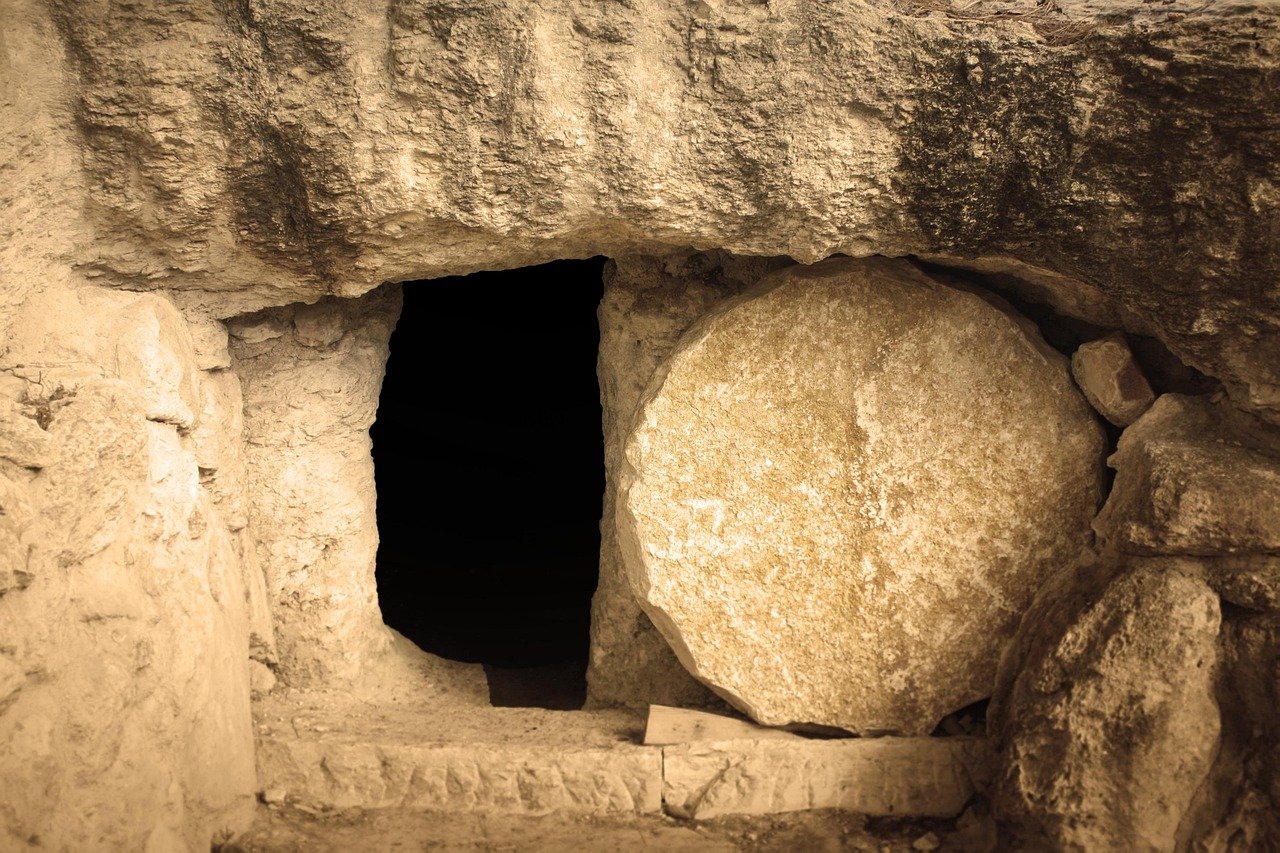
Empty tomb. The location of the tomb was well-known, being documented by biblical and extra-biblical records. No one — neither Jews nor Romans — ever produced a body to refute the disciples’ claim of Jesus’ bodily resurrection.
Eyewitness accounts and conversion of skeptics. Any fabricated accounts would have used men, not women, as the first witnesses of Jesus’ bodily resurrection. Ultimately hundreds of men and women saw Jesus alive after He rose from the grave. Skeptics and nonbelievers before the Resurrection became Jesus’ disciples. The Lord’s half-brother, James, became a church leader. Saul of Tarsus persecuted the early church and was abruptly converted after seeing the risen Jesus.
Disciples’ transformed behavior. The disciples changed from weak, fearful men to martyrs for Jesus after His resurrection, even in the very city where He had been crucified only weeks before. Who would put their life on the line for a lie?
Early church testimony. Extra-biblical documents written within a few decades of Jesus’ death show that Jesus’ followers firmly held to the Resurrection. Writing around ad 96, Clement of Rome mentioned the apostles’ preaching and their deep conviction based on Jesus’ resurrection. Ignatius of Antioch wrote around ad 110, affirming that Jesus was truly raised from the dead and that the disciples touched Him and believed. Polycarp wrote around ad 110–140, speaking of Jesus who endured death and was raised by God.
Finally, and most important, the true disciple of Jesus Christ knows He is alive by faith and because of the indwelling power and transformation from the new nature experienced in Christ (2 Corinthians 5:17; Hebrews 11:1-3; Psalm 14:1; 53:1).
— Elder Chip Hinds