
The transforming ministry and coming kingdom of Jesus Christ. by John Oguta
The ministry of Jesus Christ stands at the very center of the Christian faith. For believers who are in the Church of God (Seventh Day), His life and mission reveal not only the loving character of God but also the promise of the coming kingdom. Jesus’ preaching and healing were not separate aspects of His work. Together they proclaimed God’s reign and demonstrated what life under that reign looks like. His ministry continues to shape Christian belief, practice, and hope today.
Jesus did not come merely to establish a new religious movement. He came as God’s chosen Messenger, announcing that history had reached a decisive moment. Through His words and actions, Jesus revealed God’s purpose for humanity and invited all people to respond in faith, repentance, and obedient living.
Defining message
At the heart of Jesus’ ministry was the gospel of the kingdom of God. From the beginning of His public work, this message defined His mission:
Jesus came into Galilee, preaching the gospel of the kingdom of God, and saying, The time is fulfilled, and the kingdom of God is at hand: repent ye, and believe the gospel (Mark 1:14, 15).
For the Church of God, this focus on the kingdom is foundational. Jesus proclaimed a real future kingdom that would ultimately replace all human rule and restore creation according to God’s will. His call to repentance was not merely emotional remorse but a decisive turning of life toward God’s ways.
The kingdom message also emphasized hope. In a world marked by injustice, suffering, and death, Jesus announced that God’s reign would bring righteousness, peace, and restoration.
Faithful living
Jesus’ teaching stood apart from that of the religious leaders of His time. He spoke plainly yet powerfully, grounding His message in the truth of God’s Word: “For he taught them as one having authority, and not as the scribes” (Matthew 7:29).
Through sermons, conversations, and parables, Jesus revealed what faithful living looks like under God’s rule. He emphasized humility, mercy, faithfulness, and obedience from the heart. His teachings did not dismiss God’s law; instead, they revealed its true intent and spiritual depth.
For believers today, Jesus’ teaching reminds us that discipleship involves daily commitment. Faith is not limited to belief alone but is expressed through a life shaped by God’s will.
A gospel for the humble and the seeking
Jesus consistently reached those who were open to God — ordinary people, the poor, and those burdened by life. Those are the ones, Jesus said, who are blessed: “for theirs is the kingdom of heaven” (5:3).
Jesus’ message assured listeners that God is near to those who seek Him sincerely. This remains deeply meaningful for Christians today. The gospel does not promise freedom from every hardship now, but it offers purpose, direction, and the sure hope of God’s coming kingdom.
Modern believers often find comfort in knowing that Jesus understands human weakness. His ministry assures us that God does not ignore the struggles of faithful people.
Sign of the kingdom
Jesus’ healing ministry was a visible demonstration of God’s power at work. Healing was never performed for spectacle. It served as evidence that the kingdom of God was actively confronting the effects of sin. “And Jesus went about all Galilee, teaching . . . and healing all manner of sickness and all manner of disease among the people” (4:23).
Every healing pointed beyond the moment itself. Restored sight, renewed strength, and cleansed bodies foreshadowed a future when suffering will be no more. These acts affirmed the promise of a restored world under Christ’s reign.
Compassionate ministry
Jesus’ miracles were motivated by deep compassion. He did not distance Himself from pain; He entered it. When a man with leprosy approached Him, Scripture says, “And Jesus, moved with compassion, put forth his hand, and touched him” (Mark 1:41).
This touch restored not only health but dignity and belonging. In this moment, Jesus revealed God’s heart toward the rejected and suffering.
Today, believers continue this compassionate ministry through prayer, care, and service. Whether visiting the sick or encouraging the discouraged, they reflect the love Christ first showed.
Faith, trust, and obedient response
Jesus often emphasized faith in His healing encounters. Faith was not a formula but trust in God’s power and purpose. “According to your faith be it unto you” (Matthew 9:29).
Faith, as Jesus taught it, involved confidence in God and willingness to obey. This harmony between faith and obedience aligns closely with the Church of God (Seventh Day)’s understanding of Christian living. True faith results in a transformed life that seeks to honor God.
Many believers testify that spiritual healing — freedom from fear, guilt, or despair — comes as they trust God and commit to walking in His ways.
Humanity’s deepest need
While Jesus healed physical illness, He never overlooked humanity’s greatest need: forgiveness of sin. When healing a paralyzed man, Jesus first declared, “Son, thy sins be forgiven thee” (Mark 2:5).
This statement revealed the deeper purpose of His ministry. Sin separates humanity from God, but forgiveness restores relationships and hope. For Christians, forgiveness through Christ provides peace with God and assurance of eternal life.
The gospel message calls believers to accept this forgiveness and extend it to others, reflecting God’s mercy in daily life.
The Sabbath and ministry of mercy
Jesus’ actions on the Sabbath clarified God’s intention for this sacred day: “The sabbath was made for man, and not man for the sabbath” (v. 27).
Jesus did not diminish the Sabbath’s importance; He restored its meaning. By healing on the Sabbath, He showed that the day is meant for rest, renewal, and acts of mercy.
For the Church of God, Sabbath observance remains a joyful reminder of God as Creator, Redeemer, and future Restorer. It points believers toward the ultimate rest in God’s kingdom.
Parables
Jesus frequently taught through parables — simple stories with profound meaning. These lessons, like the parable of ten virgins in Matthew 25, called listeners to readiness, faithfulness, and perseverance.
Parables about watchfulness and stewardship remind believers to live responsibly while awaiting Christ’s return. They encourage Christians to remain faithful, using their lives in service to God.
Continuing impact
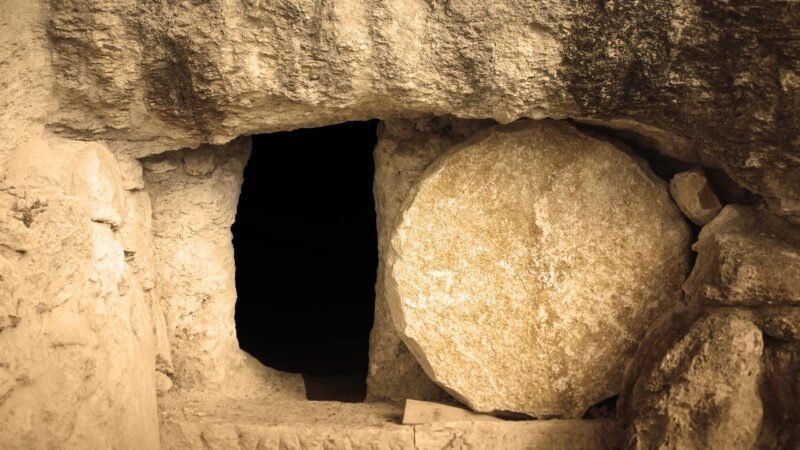
The ministry of Jesus Christ did not end with His resurrection. Its influence continues in the life and mission of the church today because Jesus and His message have not changed. “Jesus Christ the same yesterday, and to day, and for ever” (Hebrews 13:8).
Believers are called to proclaim the gospel of the kingdom, live obedient lives, care for others, and hold fast to the hope of Christ’s return. Through faithful living, the church bears witness to the coming reign of God.
Living in hope
Jesus taught His followers to pray, “Thy kingdom come, thy will be done in earth, as it is in heaven” (Matthew 6:10).
This prayer captures the heart of Christian hope. The ministry of Jesus Christ assures believers that God’s kingdom will come, suffering will end, and righteousness will prevail.
For the Church of God (Seventh Day), Jesus’ ministry remains both a guide and a promise, calling believers to faithful living today while confidently awaiting the fulfillment of God’s plan tomorrow.
John Paul Oguta writes from Mombasa, Kenya, where he attends the Kisimani CoG7 with his wife, Evelyne, and two children. Scripture quotations are taken from the King James Version.