
A closer look at the event that changed everything.
by Ruhama Tewodros Assefa
The resurrection of Jesus Christ has never been merely a cherished Christian belief but has always been one of history’s most debated claims. For some, it is the foundation of faith. For others, it is thought an impossibility — an event too extraordinary to be accepted in a world that prizes what can be observed, measured, and analyzed. If miracles cannot be reproduced in a laboratory or explained by natural laws, many conclude they simply could not have happened.
In some ways, I understand why the Resurrection raises questions. As a medical student, I have spent hours studying the remarkable complexity of the human body. I have learned how intricately life is designed and how fragile it can be.
Through anatomy and pathology, I have also come face-to-face with an undeniable reality: death. Once life has departed, every human effort reaches its limit. Medicine can diagnose disease, relieve suffering, and sometimes prolong life, but it cannot reverse death by its own power. Death remains humanity’s greatest enemy — one that no physician, scientist, or ruler has ever conquered.
Even during a high school debate — before medical school — I wrestled with whether the Resurrection could truly be defended as more than a religious idea. That is precisely why the resurrection of Jesus is so astonishing. Christianity does not claim that He narrowly escaped death or simply recovered from severe injuries. It proclaims that after truly dying and being buried, Jesus rose again by the power of God.
If the Resurrection is false, Christianity loses its foundation. As the apostle Paul declared, “If Christ has not been raised, your faith is futile” (1 Corinthians 15:17). But if it is true, then it changes not only history but every human life.
From defeat to victory
To understand why the Resurrection changed everything, we must first understand what the cross meant before the empty tomb.
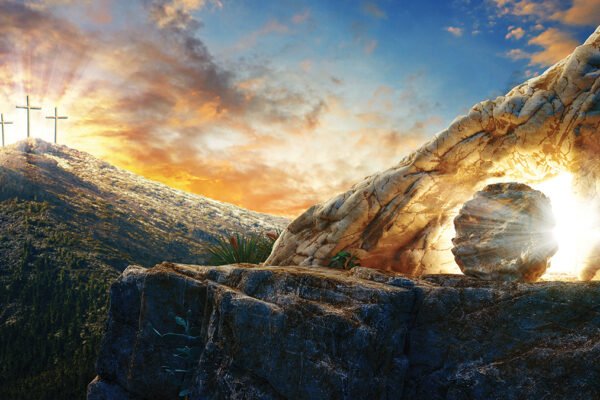
Today, the cross hangs in churches, adorns necklaces, and serves as one of the most recognized symbols of hope in the world. Yet in the first century, it represented shame, humiliation, and suffering. Crucifixion was reserved for the worst criminals and rebels. It was designed to not merely kill but to disgrace. No one looked at a cross and imagined victory.
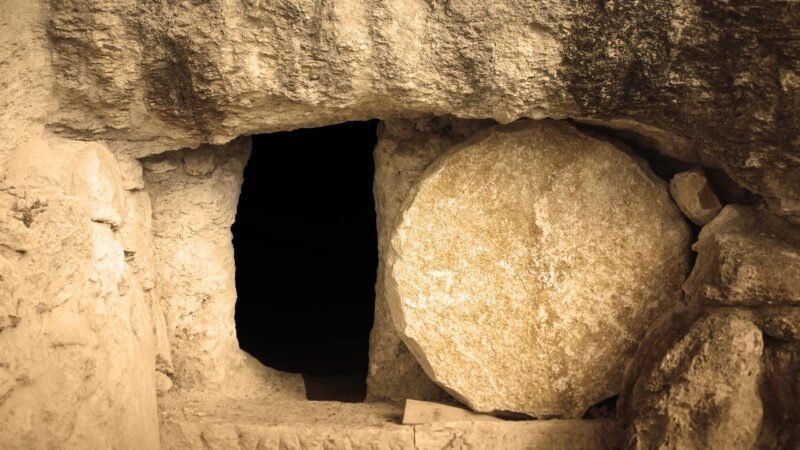
For Jesus’ disciples, the Crucifixion must have felt like the collapse of every hope. They had followed Him, believing He was the promised Messiah. They had witnessed miracles, heard His teachings, and anticipated God’s kingdom. Then they watched Him arrested, mocked, beaten, and crucified. The One they trusted now lay in a borrowed tomb. From every human perspective, His mission appeared to have failed.
But the Resurrection revealed a completely different story. God overturned what humanity thought was defeat. Resurrection transformed the cross from a symbol of shame into a symbol of salvation. It declared that sin had been atoned for, death had been conquered, and Jesus truly is the Son of God. The Father vindicated the Son by raising Him from the dead, confirming that His sacrifice had accomplished exactly what it was intended to do.
Without the Resurrection, the cross remains a tragedy. With the Resurrection, it becomes the greatest victory in history.
Transformed people
If the empty tomb announced that Jesus was alive, His appearances revealed what His resurrection could accomplish. The risen Christ did not return merely to prove that He had conquered death. He sought out fearful, grieving, and doubting people, meeting them where they were and transforming them from the inside out.
Peter’s story beautifully illustrates this. Only days earlier, he had denied knowing Jesus three times. Fear had silenced his faith, and guilt surely weighed heavily on his heart. Yet the risen Jesus did not reject Peter. Instead, beside the Sea of Galilee, He gently restored him and recommissioned him to care for His flock (John 21:15-19). Soon afterward, Peter stood before thousands on the day of Pentecost and boldly proclaimed that Jesus was the risen Lord (Acts 2). The difference was not Peter’s personality; it was his encounter with the living Christ.
Thomas struggled in a different way. He could not believe the testimony of the other disciples and insisted on seeing Jesus for himself. Rather than condemn Thomas for his questions, Jesus graciously appeared to him and invited him to examine the wounds in His hands and side. Faced with the risen Savior, Thomas responded with one of the most profound confessions in Scripture: “My Lord and my God!” (20:28).
Peter and Thomas weren’t the only ones transformed. After the Crucifixion, the disciples hid behind locked doors, fearful that they, too, would be arrested. Yet after meeting the risen Jesus, those same men courageously proclaimed the gospel across the Roman Empire, despite imprisonment, persecution, and even martyrdom. They believed because they had encountered the risen Christ.
The Resurrection did not simply change an empty tomb; it changed human hearts. The same Savior who restored Peter, welcomed Thomas, and strengthened the frightened disciples continues to transform lives today.
New mission
The story of Jesus raised to life does not end with His appearances. Before returning to the Father, He entrusted His followers with a mission that would shape history: “All authority in heaven and on earth has been given to me. Therefore go and make disciples of all nations, . . .” (Matthew 28:18, 19).
The Resurrection was never intended to remain private news among a small group of disciples. It was a message meant for the whole world. Those who had witnessed the risen Christ became witnesses to others, carrying the good news beyond Jerusalem and eventually to the ends of the earth.
After giving this commission, Jesus ascended into heaven. At first glance, His departure may have seemed like another farewell. In reality, it marked His exaltation. The crucified and risen Savior now reigns at the Father’s right hand with all authority. His ascension did not end His work; it expanded it. Through the Holy Spirit, Christ continues to lead, strengthen, and empower His church. The mission continues because the King still lives.
Because He lives
More than two thousand years later, Jesus’ resurrection remains profoundly relevant. Death still brings grief. Fear still paralyzes hearts. Doubt still finds its way into our minds. The world still wrestles with suffering, injustice, and uncertainty. Yet the empty tomb reminds us that these realities do not have the final word.
Because Christ conquered death, believers have hope that extends beyond the grave. Our confidence is not rooted in positive thinking or human optimism but in the historical reality that Jesus lives. His victory assures us that God’s promises can be trusted even when circumstances seem impossible.
The Resurrection also gives us courage. Peter’s boldness, Thomas’ renewed faith, and the disciples’ fearless witness remind us that God delights in using ordinary, imperfect people. Our weaknesses do not disqualify us from serving Him. The risen Christ still restores the broken, strengthens the fearful, and calls His followers to share the hope they have found.
The Resurrection gives our lives purpose. We are not simply waiting for a new heaven and new earth; we are invited to participate in God’s work today. Every act of love, every word of truth, and every faithful step of obedience points others to the living Savior. We serve not a memory but a reigning King who is present with His people and who has promised to return.
More than a miracle
As I study the human body, I am continually reminded that death remains humanity’s greatest limitation. No scientific discovery, medical breakthrough, or human achievement has ever permanently defeated it. Yet the gospel proclaims that Jesus Christ did what no one else could do: He entered death, broke its power, and rose victorious.
That is why the Resurrection remains the heart of the Christian faith. It is more than a miracle to admire or a doctrine to defend. It is the assurance that sin has been forgiven, death has been conquered, hope is alive, and Christ reigns forever. Because He is risen, everything changed. And because He lives, everything still can.