by Bob Hostetler
At 6:55 on a cold March evening, twelve-year-old Valerie Webb, who lost her father in the September 11, 2001, terrorist attacks on New York’s World Trade Center towers, threw a switch that sent twin towers of light into the sky. The bright beacons, a tribute to the nearly 3,000 lives lost at that site, seemed a fitting memorial for the horrible acts that left a gaping hole in New York’s skyline . . . and in America’s heart.
When something of that magnitude happens, it’s only natural — and right — to want to mark it, to remember it. On the site of the 1995 Oklahoma City bombing, a moving memorial was erected, with a dramatic arch bearing the precise time (9:01) when the bomb went off and life — for many, young and old — came to a stop. The memorial also includes nine rows of bronze-and-stone chairs representing the 168 people killed that day.
A different kind of memorial has been a sacred spot to Jews for over 2,000 years now, since the Romans invaded Jerusalem in ad 70 and destroyed the temple that had been the center of Jewish life for generations. It’s called the Western Wall, a section of foundation stones that supported the temple. And now, since Jerusalem came under Israel’s control in 1967, Jews gather every day to pray at that unique place — a memorial of sorts, a place for remembering.
Those memorials are fitting. But Christians all over the world — under thatched roofs in the Philippine islands, in the shadows of the ancient idols of India, in the cities and villages of Africa, and in the great cathedrals of Europe — observe another, quite different memorial.
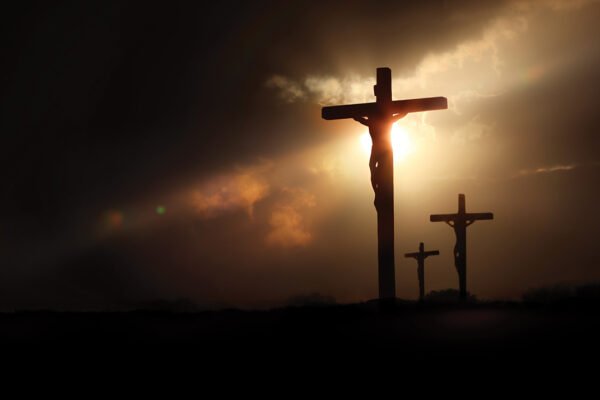
Have you ever paused to consider that when Jesus was on earth in a physical body, walking the streets of Galilee and Judea — healing, teaching, laughing, crying — He could have taken His closest followers to Bethlehem and told them, “Make this stable, where I was born, a memorial to Me.” He could have said, “Build a shrine to Me here, on the shore of the Jordan, where I was baptized.” He could have told them to make Calvary or the empty tomb a memorial.
But He chose none of those things. Instead, on the night of His betrayal and arrest, Jesus celebrated the Passover with His closest friends.
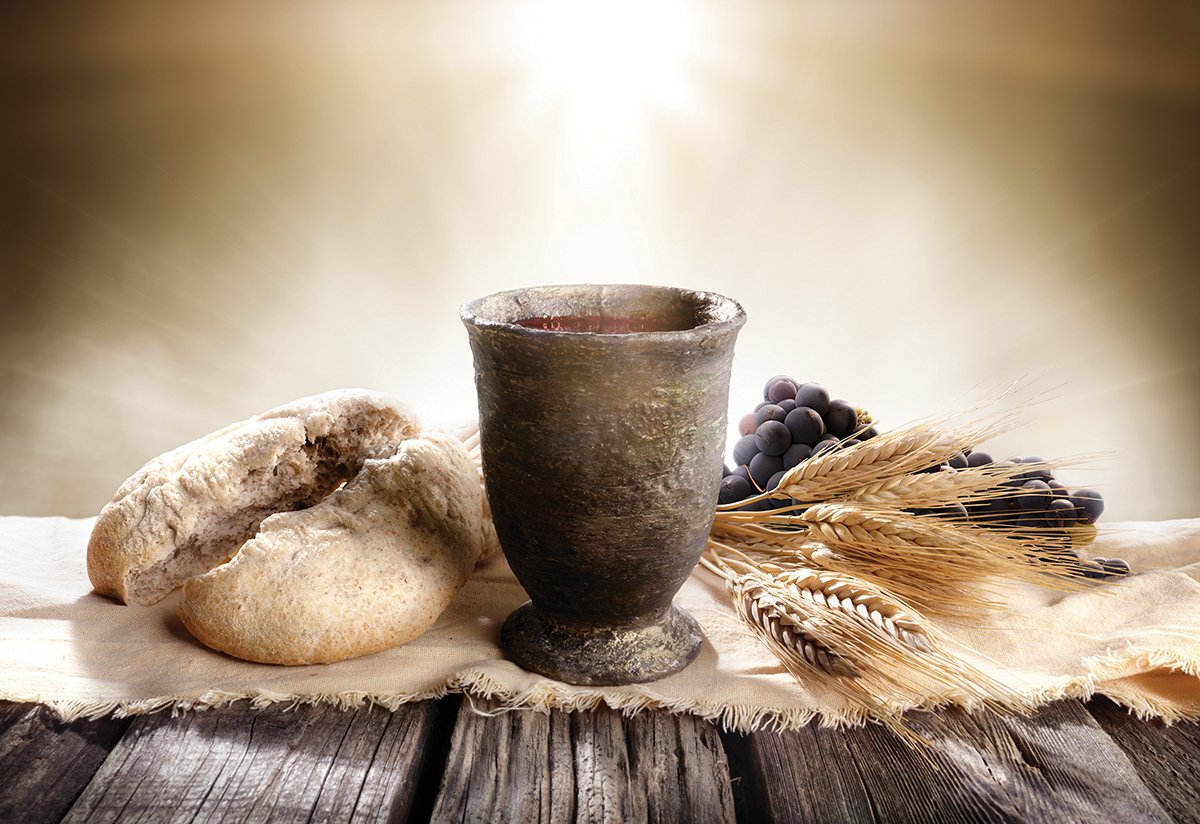
And he said to them, “I have eagerly desired to eat this Passover with you before I suffer. For I tell you, I will not eat it again until it finds fulfillment in the kingdom of God.”After taking the cup, he gave thanks and said, “Take this and divide it among you. For I tell you I will not drink again from the fruit of the vine until the kingdom of God comes.” And he took bread, gave thanks and broke it, and gave it to them, saying, “This is my body given for you; do this in remembrance of me.” In the same way, after the supper he took the cup, saying, “This cup is the new covenant in my blood, which is poured out for you” (Luke 22:15-20).
Jesus Christ’s sacrificial death, which He endured to satisfy the holiness and justice of God and to pay the price our sins deserved, and so make it possible for us to obtain forgiveness, cleansing, peace with God, and eternal life — that heroic, selfless, loving act is memorialized not in bronze or stone, not in a painting, not in a statue, but in an act. It is an act Jesus invites every one of His followers to take part in. It is an act that symbolizes His body, broken for you, and His blood, which was poured out for you. It’s a fitting memorial. Jesus, who came to die so that we might live, asked us to remember Him in a living, active way, not by erecting a stone monument or shrine . . . but by what we do when we gather for worship. “For whenever you eat this bread and drink this cup, you proclaim the Lord’s death until he comes” (1 Corinthians 11:26).